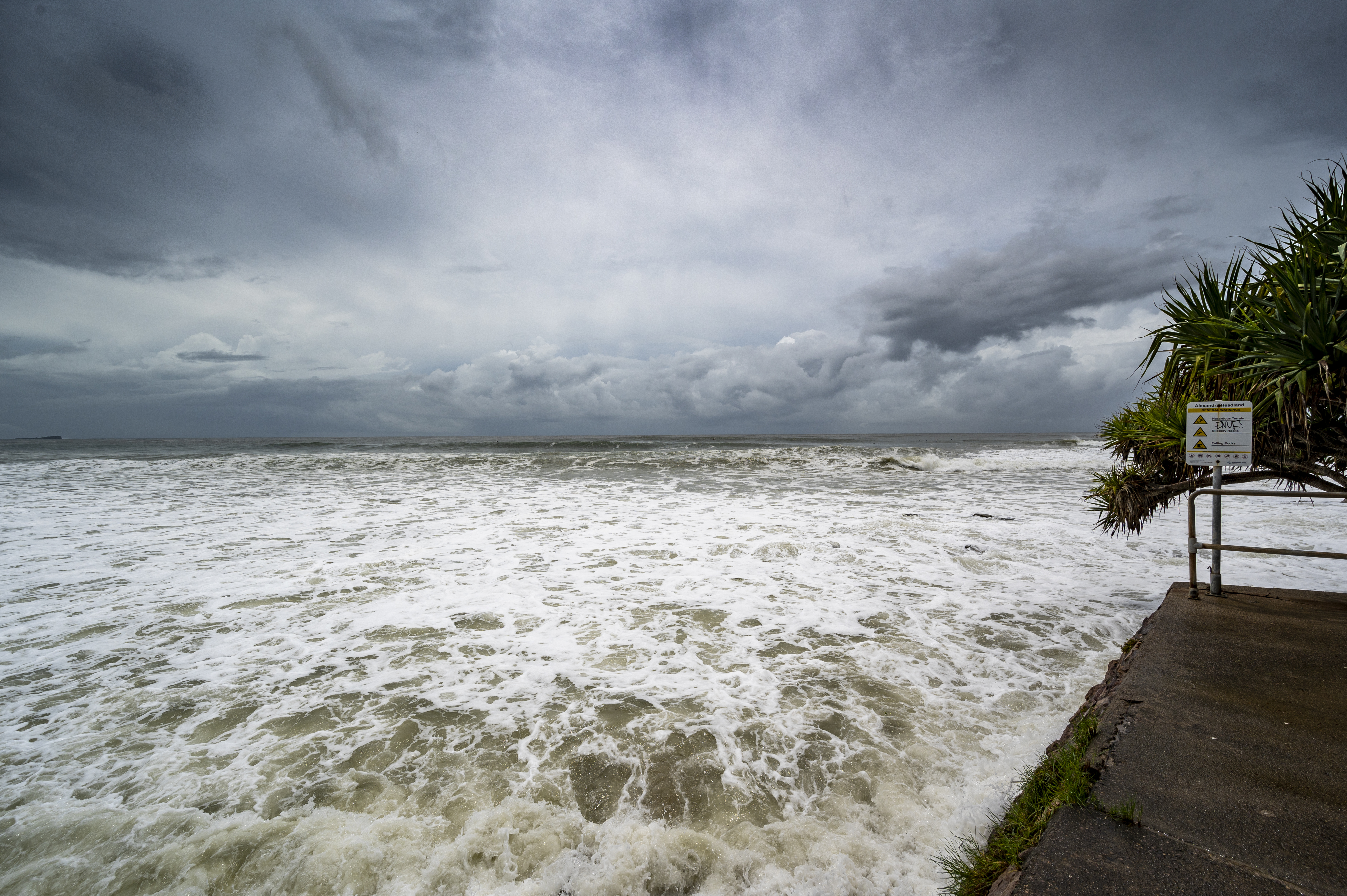
Should You Be Scared of Hurricanes at Flagler County?
Hurricane risk is one of the first questions that buyers from out of state ask about Flagler County — and it deserves an honest, thorough answer rather than either a dismissive 'don't worry about it' or an alarmist headline. Florida is a hurricane state. Anyone moving here knowing otherwise is not fully informed. But Florida is also a large, diverse state, and the risk profile varies enormously by location. Flagler County's position on the northeast Atlantic coast places it in a very different risk category than the Gulf Coast communities that dominate hurricane news coverage — and understanding that difference is essential for anyone making a long-term real estate decision in this area.
Denise Fernandes has lived and worked in Flagler County through multiple hurricane seasons and has helped hundreds of buyers navigate this exact question. This is her honest guide to hurricane risk in Flagler County: what the history shows, what the geography means, what to genuinely prepare for, and why the vast majority of Flagler County residents experience hurricane season as a manageable part of Florida life rather than an existential threat.
TABLE OF CONTENTS:
01 Flagler County's Geographic Position — Why It Matters
02 What the Historical Record Actually Shows
03 The Real Risks — What to Actually Prepare For
04 Flagler County's Emergency Preparedness Infrastructure
05 Practical Preparedness — What Every Flagler County Resident Should Do
01 Flagler County's Geographic Position — Why It Matters
Flagler County sits on the northeast Atlantic coast of Florida, approximately halfway between Daytona Beach and St. Augustine. This geographic position is significant for hurricane risk for a specific and well-understood meteorological reason: the vast majority of Atlantic hurricanes that threaten Florida track across the Gulf of Mexico or make landfall on the Gulf Coast or South Florida rather than on the northeast Atlantic coast. The geography of Florida — specifically the way the peninsula extends southward into the Gulf — means that most major hurricane landfalls occur on the western Gulf-facing shores rather than on the northeastern Atlantic-facing coast where Flagler County sits.
This does not mean Flagler County is immune to hurricane impacts. It means the county's exposure is fundamentally different from that of Tampa Bay, Fort Myers, the Keys, or the Palm Beach-to-Miami corridor — all of which have much more direct exposure to the most dangerous storm tracks. Flagler County Emergency Management Director Jonathan Lord has stated publicly: 'They can't predict with any accuracy seasonally that Florida or Flagler County is going to get a hurricane. That doesn't exist yet.' The county's northeast position provides meaningful geographic protection relative to much of the rest of the state, while still requiring awareness and preparedness from its residents.
02 What the Historical Record Actually Shows
A review of Flagler County's hurricane history provides important context that most newcomers do not have. The county has experienced relatively few direct major hurricane strikes compared to communities further south or on the Gulf Coast. In 2024, Hurricane Milton was the only storm to directly impact Palm Coast — and while it brought wind and rain, it did not produce the catastrophic damage that Gulf Coast communities experienced during the same storm. For most years in most Palm Coast neighborhoods, hurricane season passes without serious incident.
The most significant recent storm impacts in Flagler County's history have included: Hurricane Matthew in 2016, which produced significant beach erosion and some coastal flooding along A1A; Hurricane Dorian in 2019, which brushed the northeast Florida coast and caused wind damage and power outages without major structural damage to inland Palm Coast; and Hurricane Nicole in November 2022, which made landfall near Vero Beach but produced significant wave action that severely damaged the Flagler Beach Pier and caused beach erosion along the county's coastline. Tropical Storm Fay in 2008 produced severe inland flooding even without a major coastal surge — a reminder that the county's flat topography and extensive canal system can produce freshwater flooding from heavy rainfall events associated with tropical systems, regardless of the storm's category or landfall location.
03 The Real Risks — What to Actually Prepare For
The most honest framing of hurricane risk in Flagler County is this: the catastrophic, storm-surge, Category 4 destruction scenario that defines hurricane fear in most people's minds is not the primary risk profile for this county. That risk exists but is relatively low compared to Gulf Coast communities. The risks that are more relevant to Flagler County residents are more manageable and more directly addressable through preparation: high winds and wind-driven rain that can damage roofs, fences, and screened enclosures; extended power outages from downed trees and infrastructure damage; coastal flooding and beach erosion for properties along A1A and in oceanfront zones; and inland freshwater flooding in low-lying areas and canal-adjacent properties during slow-moving tropical systems with heavy rainfall.
Understanding your specific property's exposure within these categories is the most practical hurricane preparedness step any Flagler County homeowner can take. The county's flood zone maps, available from FEMA and through the Flagler County Property Appraiser's website, identify which properties are in designated flood zones that require flood insurance and are more vulnerable to storm surge and freshwater flooding. Properties in higher elevation inland Palm Coast neighborhoods — which represent the majority of the city — generally have a lower risk profile than oceanfront, canal-front, or low-elevation properties. Working with an agent who knows the flood zone designations by street is one of the most practical pre-purchase risk management steps a buyer can take.
04 Flagler County's Emergency Preparedness Infrastructure
One of the most reassuring aspects of hurricane risk in Flagler County is the quality and genuine seriousness of the county's emergency management infrastructure. Flagler County Emergency Management is one of just six certified departments out of Florida's 67 counties — a designation that reflects sustained investment in training, planning, and operational capability that most Florida counties have not achieved. The Emergency Operations Center has a roof rated to withstand 180-mile-per-hour winds, ensuring that the county's coordination hub remains functional in the most extreme storm scenarios. A new $10 million stand-alone emergency shelter at the county fairgrounds has been constructed to provide safe refuge for residents who cannot or should not shelter in place.
AlertFlagler — the county's free emergency notification system — provides residents with timely alerts via phone call, text message, and email for severe weather events, evacuation orders, and other emergencies. Registration is free and takes minutes at flaglercounty.gov. Flagler County Emergency Services publishes a detailed annual Disaster Preparedness Guide that covers evacuation zones, shelter locations, supply checklists, and the specific steps residents should take at each stage of a storm approach. Emergency Management Director Jonathan Lord conducts regular public briefings and community events to ensure that residents understand the risks specific to their neighborhood and their property type. The cultural emphasis on preparedness and community cooperation — consistently praised by both the local sheriff and community leaders — gives Flagler County's emergency response a cohesion and effectiveness that makes the actual experience of managing a storm event significantly more manageable than in communities with weaker institutional infrastructure.
05 Practical Preparedness — What Every Flagler County Resident Should Do
Regardless of the relative risk profile, hurricane preparedness is a non-negotiable part of living in Florida — and the residents of Flagler County who manage storm seasons most comfortably are those who have taken a few practical steps before June 1 each year. Emergency Management recommends maintaining supplies for at least seven to ten days: water (one gallon per person per day), non-perishable food, medications, flashlights and batteries, a portable charger for devices, cash, copies of important documents, and a first aid kit. Knowing your evacuation zone before a storm is announced eliminates confusion and delay during the critical decision-making window when a storm is approaching.
For homeowners specifically, the pre-season checklist should include: reviewing and renewing homeowners insurance, including confirming flood insurance if your property is in a designated flood zone; having your roof inspected and any vulnerabilities addressed; trimming trees and removing dead branches that could become projectiles in high winds; knowing how to shut off utilities and having the tools to do it; and having a shuttering plan for windows and sliding glass doors. The cost of proactive preparation is small. The cost of being unprepared when a storm arrives is potentially enormous. Flagler County's emergency management resources — available at palmcoast.gov/emergency and flaglercounty.gov/emergency — provide detailed, property-specific guidance that goes well beyond this overview.
06 What This Means for Buyers Considering Flagler County
For buyers who are evaluating Flagler County as a place to live and asking the hurricane question seriously — which is exactly the right question to ask — the honest answer is this: the risk is real, manageable, and meaningfully lower than in many other parts of Florida, particularly the Gulf Coast communities that receive the most hurricane media coverage. The vast majority of Flagler County residents go through entire hurricane seasons without experiencing any meaningful storm impact. When storms do affect the county, the impacts are most commonly related to wind, power outages, and localized flooding rather than the catastrophic surge events that define the worst Gulf Coast storm scenarios.
The county's geographic position, the quality of its emergency management infrastructure, the seriousness with which residents and local government approach preparedness, and the availability of detailed flood zone information for every property address all combine to make hurricane risk in Flagler County something that can be genuinely understood, rationally evaluated, and practically managed. It is not a reason to avoid this community. It is a reason to understand it clearly, prepare for it appropriately, and then get on with the genuinely extraordinary business of living here. Denise Fernandes has navigated multiple storm seasons in Flagler County and is glad to answer any specific questions about hurricane risk, flood zone designations, insurance considerations, or how storm exposure affects the value and insurability of specific properties.
Alert Flagler Registration: flaglercounty.gov/emergency
Palm Coast Emergency Preparedness: palmcoast.gov/emergency
Flagler County Evacuation Zones: flaglercounty.gov/emergency-management
Hurricane Supply Recommendation: 7–10 days of food, water and medications minimum
Hurricane Season: June 1 – November 30 annually
The Short Answer
Should you be scared of hurricanes in Flagler County? No — but you should be prepared. Those are not the same thing. Fear without preparation is paralysis. Preparation without fear is the mindset of every long-time Flagler County resident who has lived through multiple storm seasons, taken the right precautions, and come out the other side with their home intact and their community around them. That is what hurricane awareness looks like when it is done right. Denise Fernandes is here to help you understand every dimension of what it means to buy and own a home in Flagler County — including this one. Reach out anytime.